Research
How Food Can Slow the Brain's Aging Process
Article no. 50 · October 6, 2026 · Updated October 8, 2026 ·
Much of what I write about Alzheimer's is about medications that might become available in a few years. But sometimes, research comes along that we can put into practice today.
I've written quite a bit here about the importance of diet in slowing down Alzheimer's. A new study provides further support for the MIND diet, a nutritional model created specifically with brain health in mind. I'll take this opportunity to also write about FINGER and KETO.
The new study followed 1,647 people for about twelve years, examining their brains with MRI scans. Those who followed the MIND diet more closely had a slower loss of gray matter. The difference was equivalent to about 2.5 years of slower structural brain aging at its peak.
This doesn't mean that MIND has been proven to slow Alzheimer's. The study was an observational one, with participants who did not have dementia at the start. But it reinforces the idea that diet can play a significant role in how the brain ages.
The results were interesting: the better the adherence to the MIND diet, the slower the decline in the amount of gray matter.
For every three-point increase in the MIND score, the loss of gray matter was approximately 20 percent less. The researchers calculated that this difference was equivalent to about 2.5 years of slower structural brain aging.
MIND, FINGER, and Keto – Three Paths for the Brain
MIND – The Diet
MIND is a combination of the Mediterranean and DASH diets, adapted with a special focus on brain health.
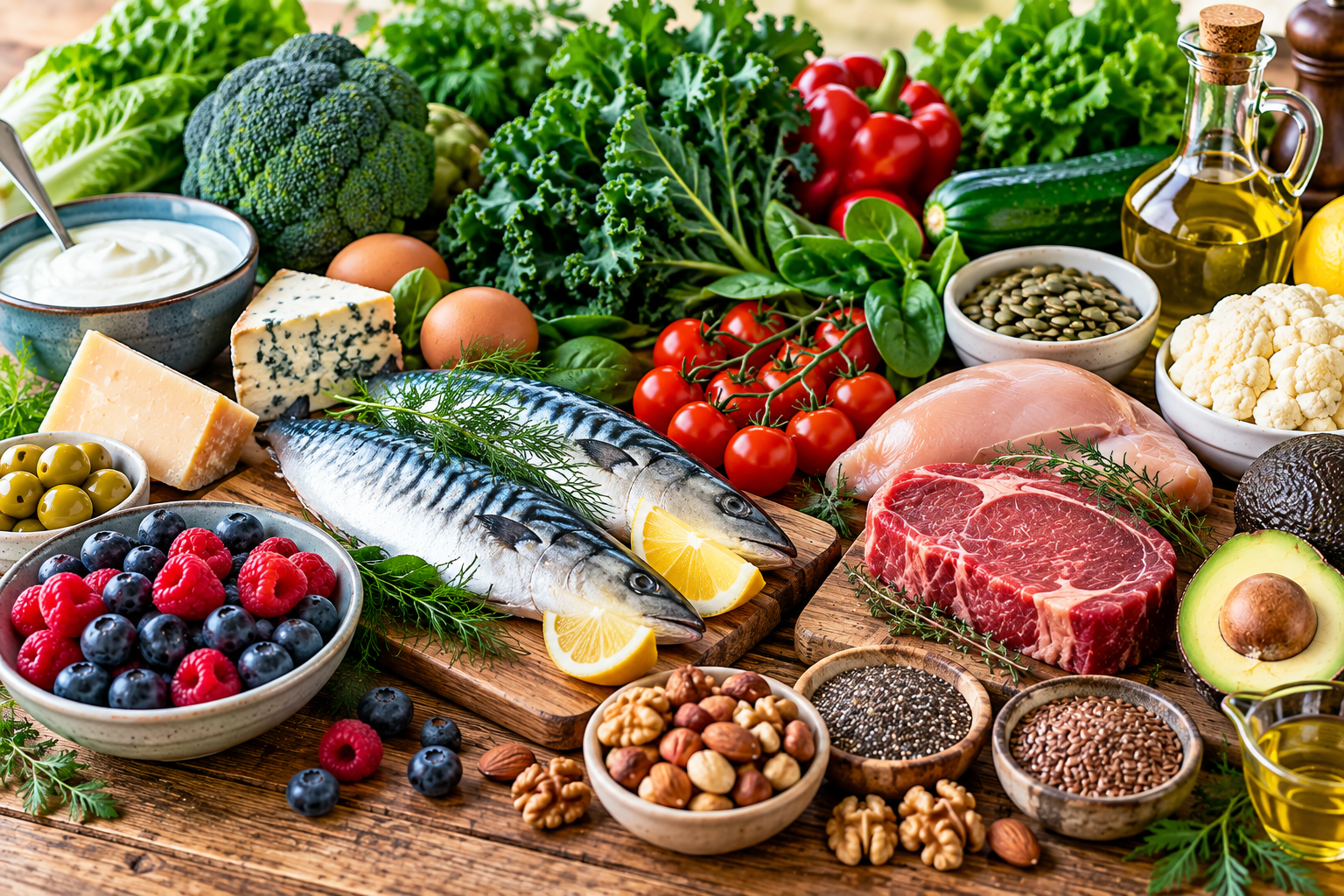
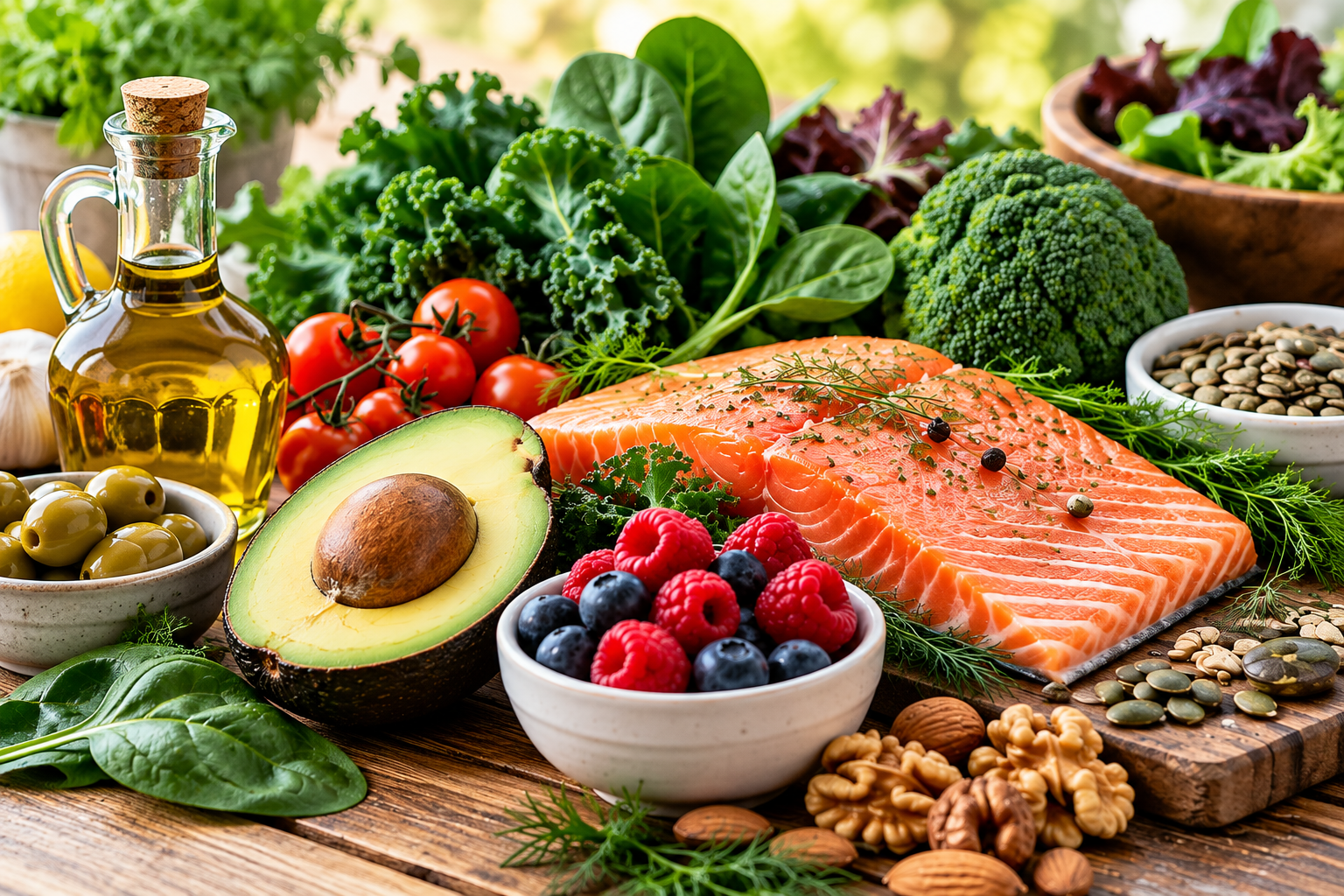
It primarily emphasizes green leafy vegetables, other vegetables, berries, nuts, legumes, whole grains, fish, and olive oil, while limiting things like butter, high-fat cheese, processed meat, sweets, and ultra-processed foods.