Medication
If Trump gets Alzheimer's – donepezil won't be enough
Article no. 35 · June 26, 2026 · Updated September 20, 2026 ·
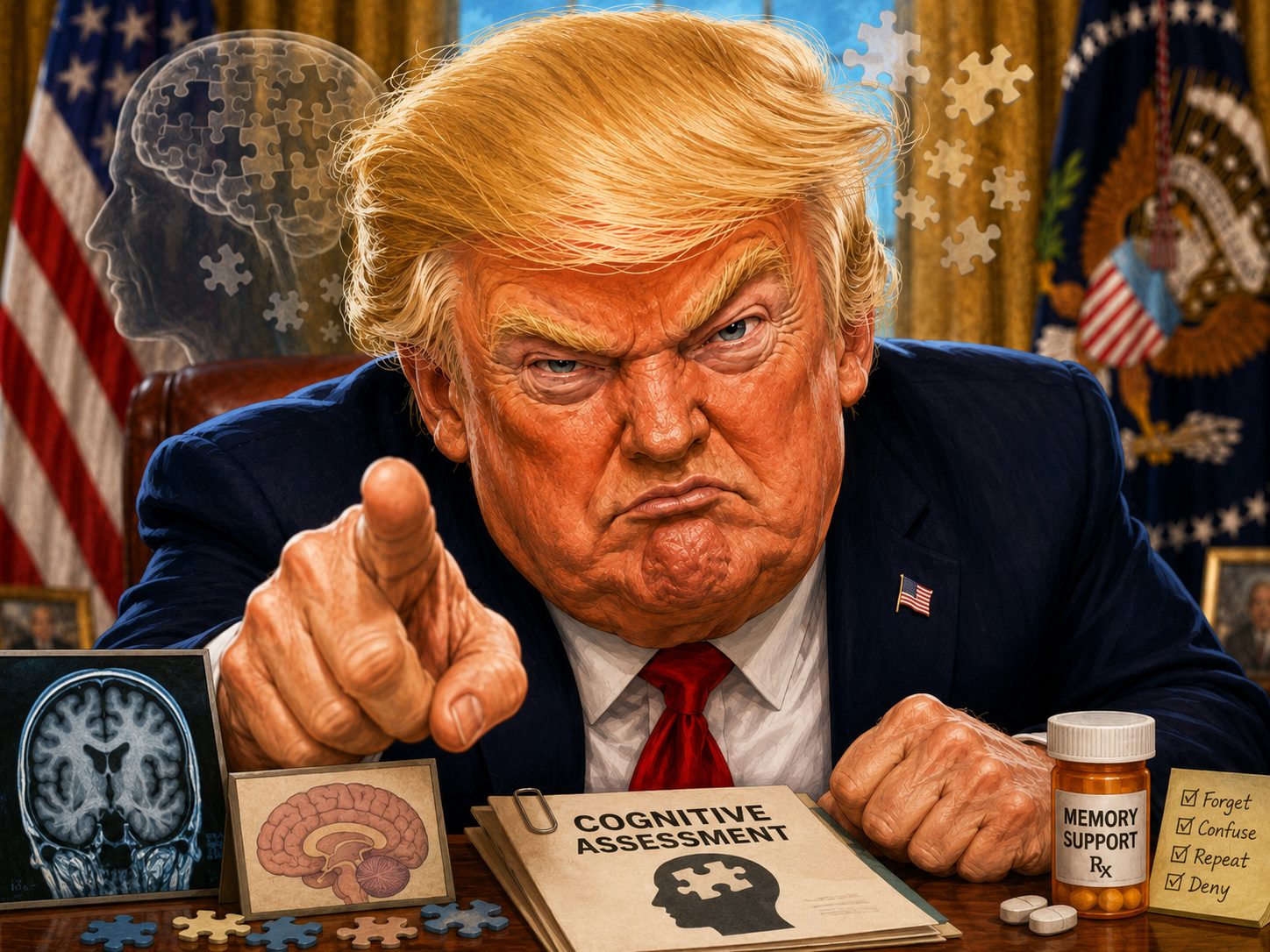
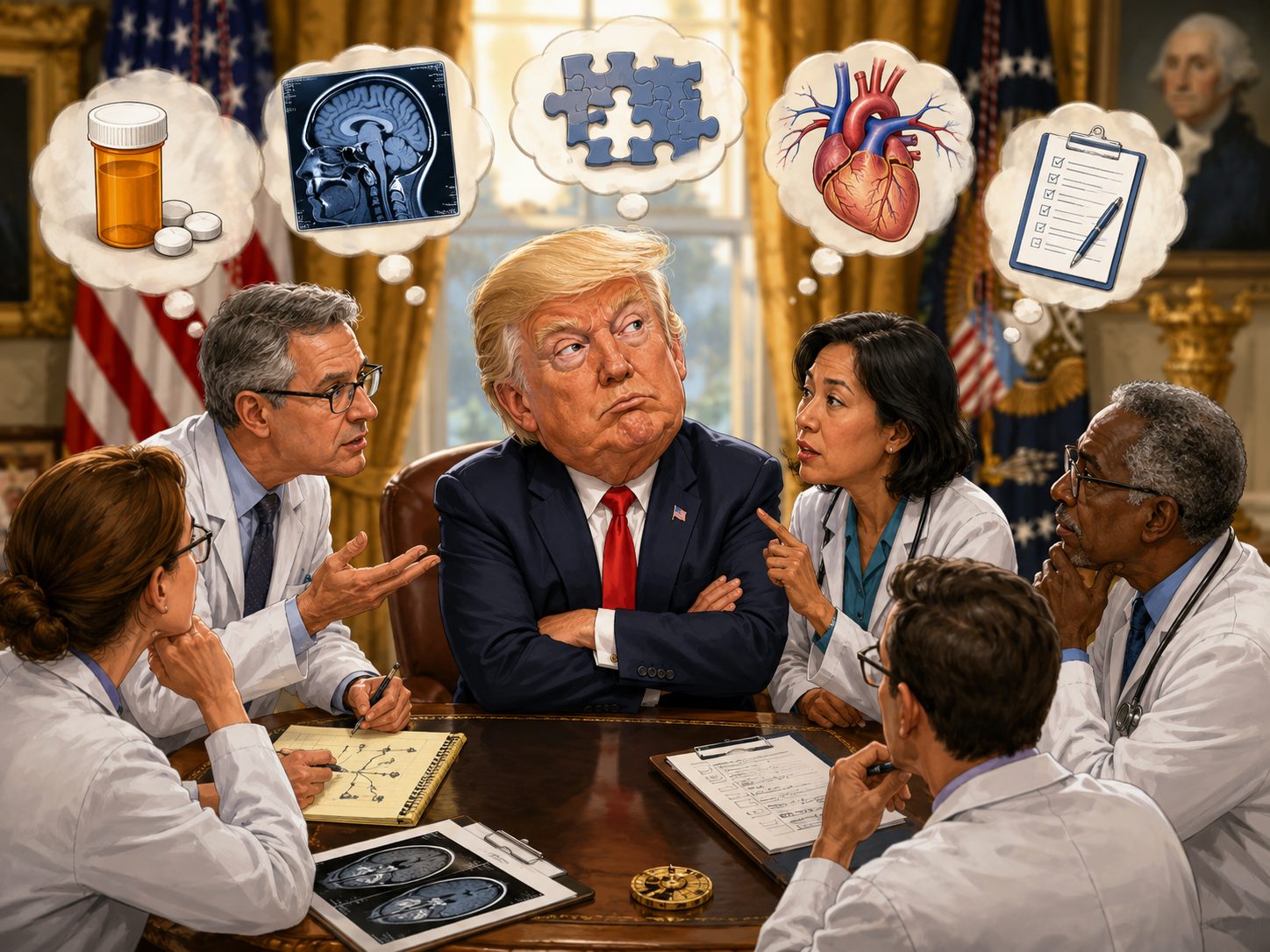
A typical patient receives Donepezil and perhaps some form of follow-up and possibly advice to live healthily. But if an American president were diagnosed with early Alzheimer's, the care would likely be significantly more aggressive. The question is not just which medications are approved – but how far desperate doctors with almost unlimited resources would be willing to go. And what can the rest of us learn?
If Trump got Alzheimer's – would the world's most powerful patient be treated differently?
As a regular patient, one encounters a healthcare system that can do no more than alleviate the symptoms of Alzheimer's disease. This is not due to a lack of willingness among individual doctors, but because today's treatment options are few and their effects limited. When the benefit is uncertain, it becomes difficult for a strained healthcare system to justify costly and time-consuming interventions.
There is still no drug that can cure Alzheimer's. But the fact that the disease cannot yet be cured does not mean that one must give up attempts to slow it down.
A thought experiment
There is nothing to suggest that Donald Trump has Alzheimer's disease. But precisely for that reason, he is an interesting thought experiment.
Assume that the President of the United States – with access to nuclear codes and a decisive influence over world politics – was suddenly diagnosed with early Alzheimer's. His doctors would then not only bear responsibility for an individual patient. They would also bear responsibility for global security.
Would they be content with today's standard treatment?
I don't think so.
The goal would likely be to gain every possible month with preserved judgment, memory, and decision-making ability. In such a situation, even the decision to refrain from a potentially promising treatment becomes an active medical decision. Caution also has a price.